The Self Sufficient Backyard – For the Independent Homesteader

Self Sufficient Backyard

Looking for a practical way to grow your own food, reduce household expenses, and become more self-reliant? The Self Sufficient Backyard is a comprehensive homesteading guide designed to help homeowners transform ordinary outdoor spaces into productive, sustainable backyards. Whether you're a complete beginner or an experienced gardener, this step-by-step resource covers everything from vegetable gardening and rainwater harvesting to food preservation, composting, greenhouse gardening, renewable energy basics, and much more.

Instead of requiring acres of farmland or years of experience, The Self Sufficient Backyard shows how to make the most of the space you already have. Learn practical techniques that can help you create a thriving self sufficient backyard, enjoy fresh homegrown produce, reduce your dependence on grocery stores, and build valuable skills for a more sustainable future.

✅ Learn proven homesteading techniques from decades of practical experience
✅ Grow more food—even in limited backyard spaces
✅ Discover sustainable ways to conserve water, improve soil, and preserve your harvest
✅ Build a more resilient and self-reliant lifestyle at your own pace

What Is The Self Sufficient Backyard?

the Self Sufficient Backyard

The Self Sufficient Backyard is a detailed homesteading guide created by experienced off-grid homeowners who have spent decades developing practical methods for living more independently. The program combines traditional homesteading knowledge with modern techniques to help homeowners transform ordinary outdoor spaces into productive, efficient, and sustainable environments.

Unlike many gardening books that focus only on growing vegetables, The Self Sufficient Backyard takes a complete approach to self-reliance by covering multiple areas of homestead management, including:

  • Vegetable gardening
  • Fruit production
  • Water collection systems
  • Rainwater storage
  • Composting
  • Renewable energy basics
  • Food preservation
  • Seed saving
  • Greenhouse gardening
  • Root cellars
  • Medicinal herb gardens
  • Chicken keeping
  • Backyard beekeeping
  • Microgreen production
  • Natural pest management
  • Low-maintenance landscaping

The goal isn't necessarily to disconnect completely from modern life. Instead, the program teaches readers how to become more resilient by producing more of what they consume while reducing unnecessary expenses and increasing long-term sustainability.

One of the most appealing aspects of The Self Sufficient Backyard is its emphasis on gradual progress. Readers aren't expected to build a complete homestead overnight. Instead, the program encourages implementing projects one step at a time, allowing homeowners to expand their knowledge and capabilities as their confidence grows.

The lessons are presented in an easy-to-follow format with practical explanations, making them suitable for both beginners and individuals who already have gardening or homesteading experience.

Why More Homeowners Are Choosing a Self Sufficient Backyard

self sufficient backyard book

Over the past several years, interest in homesteading and sustainable living has grown dramatically. Rising grocery costs, increasing utility bills, supply chain disruptions, and a growing awareness of environmental sustainability have encouraged many families to seek greater control over their daily lives.

Creating a self sufficient backyard offers an opportunity to reduce dependence on external systems while developing practical skills that provide long-term value.

Some of the biggest reasons homeowners are embracing this lifestyle include:

Lower Household Expenses

Growing fruits, vegetables, herbs, and other edible plants can significantly reduce grocery bills over time. Home composting also lowers fertilizer costs, while rainwater collection can reduce water usage for irrigation.

Greater Food Security

Producing your own food means having access to fresh ingredients regardless of temporary shortages or seasonal price increases. Learning food preservation methods further extends the usefulness of each harvest.

Improved Food Quality

Many homeowners appreciate knowing exactly how their food is grown. By avoiding unnecessary pesticides and using natural gardening methods, families can enjoy fresher produce harvested at peak ripeness.

Increased Self-Reliance

One of the greatest benefits of a self sufficient backyard is developing confidence in your ability to provide for yourself. Whether it's producing vegetables, collecting water, preserving harvests, or generating supplemental energy, each skill increases household resilience.

Environmental Benefits

Sustainable gardening practices encourage healthier soil, reduced waste, improved biodiversity, and more efficient use of natural resources. Composting kitchen scraps, planting pollinator-friendly flowers, and conserving rainwater all contribute to a healthier environment.

Better Physical and Mental Well-Being

Gardening, outdoor projects, and working with nature provide gentle physical activity while reducing stress. Many people find that tending a productive backyard creates a stronger connection with their environment and offers a rewarding sense of accomplishment.

Rather than being simply a gardening hobby, building a self sufficient backyard represents a long-term investment in resilience, sustainability, and personal independence.

How The Self Sufficient Backyard Works

One of the reasons The Self Sufficient Backyard has attracted so much attention is its practical teaching style. Instead of overwhelming readers with complicated agricultural concepts, the program breaks larger goals into manageable projects that can be completed gradually.

Each topic focuses on practical implementation, allowing homeowners to learn at their own pace while adapting projects to their available space and budget.

The overall learning process generally follows these stages:

Step 1: Evaluate Your Property

Every backyard is different. The program begins by helping readers understand how to evaluate their available space, sunlight exposure, soil quality, climate conditions, and existing resources before planning improvements.

Step 2: Plan Efficiently

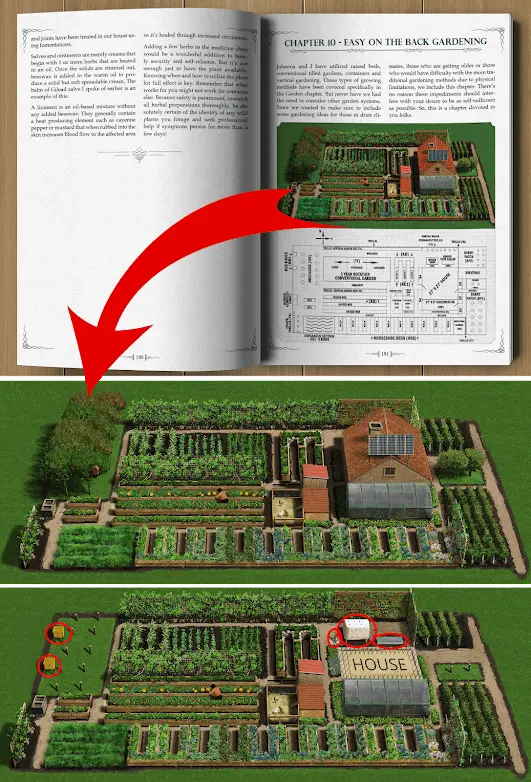
Rather than randomly planting crops, readers learn how to organize their backyard for maximum productivity. Efficient layouts help improve accessibility, reduce maintenance, and maximize food production.

Step 3: Build Essential Systems

The program introduces practical systems such as composting, water collection, irrigation, food storage, greenhouse construction, and renewable energy concepts that work together to create a more self-sustaining property.

Step 4: Grow Food Throughout the Year

Seasonal gardening techniques, greenhouse strategies, succession planting, and food preservation methods help extend food production beyond traditional growing seasons.

Step 5: Continue Expanding

As readers gain experience, they can gradually introduce additional features such as medicinal herb gardens, backyard chickens, beehives, microgreens, seed-saving systems, and other advanced homesteading projects.

This progressive approach makes The Self Sufficient Backyard accessible for beginners while still offering valuable ideas for experienced gardeners seeking to improve their existing setup.

What You'll Learn Inside The Self Sufficient Backyard

One of the biggest strengths of The Self Sufficient Backyard is the wide variety of practical topics it brings together in one comprehensive resource. Instead of focusing on only one aspect of homesteading, it provides guidance across multiple areas that work together to create a more productive and sustainable property.

Inside the program, you'll discover how to design a backyard that supports food production while remaining manageable and efficient. You'll learn practical gardening strategies that help maximize harvests even when working with limited space, making it possible to grow a surprising amount of fresh produce in suburban environments.

The guide also explains methods for collecting and storing rainwater, helping homeowners make better use of natural resources while reducing irrigation costs. Composting systems, soil improvement techniques, and natural fertilization methods are covered to promote healthier plant growth without relying heavily on commercial products.

Another valuable area focuses on preserving food so that seasonal harvests can be enjoyed throughout the year. Readers are introduced to traditional storage techniques, seed-saving practices, and methods for reducing food waste while maintaining quality.

For those interested in greater energy independence, The Self Sufficient Backyard explores practical concepts related to renewable energy systems and efficient resource management, providing readers with foundational knowledge that can support long-term sustainability goals.

The program also includes information on medicinal herb gardens, greenhouse gardening, natural pest control, backyard chickens, beekeeping, microgreen cultivation, and other projects that contribute to a more diversified homestead.

Beyond the individual projects, the greatest lesson offered by The Self Sufficient Backyard is learning how each system complements the others. Healthy compost supports better soil, better soil produces stronger crops, crops feed both people and livestock, livestock contribute natural fertilizer, rainwater supports irrigation, and thoughtful planning creates an efficient ecosystem where resources are continually reused instead of wasted.

Rather than teaching isolated gardening techniques, the program encourages readers to think of their property as an interconnected system designed to become more productive, resilient, and sustainable year after year.

Key Benefits of The Self Sufficient Backyard

Building a self-reliant home is about much more than growing vegetables. It's about creating a lifestyle that offers greater control over your resources, reduces unnecessary expenses, and helps you prepare for the future. The Self Sufficient Backyard introduces practical methods that can benefit homeowners regardless of where they live or how much experience they have.

Below are some of the biggest advantages readers can expect when implementing the ideas presented throughout the program.

Produce Fresh Food at Home

One of the most rewarding aspects of creating a self sufficient backyard is having fresh produce just steps from your kitchen. Instead of relying entirely on grocery stores, you can harvest vegetables, herbs, fruits, and other crops exactly when you need them.

Freshly harvested food often tastes better, retains more nutrients, and gives you complete control over how it is grown. Whether your goal is healthier eating or reducing your monthly grocery bill, producing your own food can provide long-term value for the entire family.

Reduce Monthly Household Expenses

Food is only one part of household spending. Water, electricity, fertilizers, pest control products, and landscaping materials can all become expensive over time.

The Self Sufficient Backyard explains practical ways to reduce these recurring costs by making better use of natural resources. Learning how to compost kitchen scraps, collect rainwater, preserve seasonal harvests, and improve soil naturally can help lower expenses year after year.

Many of these projects require only modest investments while continuing to provide ongoing savings.

Maximize Small Spaces

A common misconception is that homesteading requires several acres of land. In reality, many productive gardens are created on surprisingly small properties.

The program demonstrates how thoughtful planning can transform ordinary suburban backyards into productive growing spaces. Raised beds, vertical gardening, companion planting, container gardening, and efficient layouts allow homeowners to produce significantly more than they might expect.

Even individuals with limited outdoor space can apply many of the principles taught in The Self Sufficient Backyard.

Increase Food Security

Unexpected events can affect grocery availability, transportation, and food prices. While no backyard can eliminate every challenge, producing part of your own food creates an additional level of security.

Growing vegetables, preserving harvests, storing seeds, and extending growing seasons through greenhouses or cold frames all contribute to greater household resilience.

Rather than depending entirely on outside sources, families gain confidence knowing they have practical skills that support long-term food production.

Learn Sustainable Gardening Practices

Healthy gardens begin with healthy soil.

The program emphasizes natural gardening methods that encourage long-term soil fertility while reducing unnecessary chemical inputs. Readers learn about composting, mulching, crop rotation, beneficial insects, and efficient watering techniques that improve plant health naturally.

These sustainable practices help create productive gardens while supporting local ecosystems and pollinators.

Build Practical Skills That Last a Lifetime

Unlike products that eventually wear out, practical knowledge continues to provide value for years.

Learning how to preserve food, collect seeds, improve soil, build raised beds, install simple irrigation systems, or manage backyard compost becomes increasingly useful over time. These are skills that can be adapted, expanded, and shared with future generations.

For many readers, this educational aspect becomes one of the most valuable parts of The Self Sufficient Backyard.

Enjoy Greater Independence

One of the strongest themes throughout the program is self-reliance.

Creating a self sufficient backyard doesn't necessarily mean disconnecting completely from modern society. Instead, it means becoming less dependent on outside systems for everyday necessities.

Each project—whether it's growing herbs, harvesting rainwater, or preserving vegetables—adds another layer of independence that contributes to long-term resilience.

Improve Overall Well-Being

Gardening provides more than fresh food.

Working outdoors encourages physical activity, reduces stress, improves mood, and creates opportunities to spend time with family. Many people discover that tending a productive backyard becomes both relaxing and deeply satisfying.

Watching plants grow from seed to harvest provides a sense of accomplishment that's difficult to replicate elsewhere.

Who Is The Self Sufficient Backyard Best For?

One of the reasons The Self Sufficient Backyard appeals to such a wide audience is that its lessons can be adapted to many different lifestyles and property sizes.

Whether you're simply interested in growing more vegetables or planning to build a complete homestead, the program offers practical ideas that can be implemented gradually.

Beginner Gardeners

If you've never grown food before, the step-by-step explanations provide a solid introduction without overwhelming technical language.

You'll learn practical methods that build confidence while avoiding many common beginner mistakes.

Homeowners

Anyone with a backyard can benefit from learning how to make better use of available space.

Even modest suburban properties can support vegetable gardens, herb beds, compost systems, rainwater collection, fruit trees, and other productive projects.

Families

Growing food together creates valuable learning experiences for children while encouraging healthier eating habits and greater appreciation for where food comes from.

Many families enjoy turning backyard gardening into a shared hobby that produces practical results.

Retirees

Retirement often provides the perfect opportunity to pursue gardening and self-reliance.

The program includes numerous low-maintenance ideas designed for long-term sustainability rather than physically demanding agricultural work.

Raised beds, efficient layouts, and thoughtful planning help reduce unnecessary strain while keeping gardening enjoyable.

Preparedness Enthusiasts

Those interested in emergency preparedness often recognize the importance of practical food production skills.

Learning how to preserve harvests, collect rainwater, save seeds, and improve soil naturally can strengthen long-term household resilience.

Sustainability Advocates

People looking to reduce waste and live more environmentally responsibly will appreciate the emphasis on composting, resource conservation, biodiversity, and renewable practices.

Many of the projects encourage recycling natural resources rather than depending entirely on purchased materials.

Small Homesteaders

If you're planning to develop a larger homestead in the future, The Self Sufficient Backyard provides an excellent educational foundation.

The principles taught can easily scale from a suburban backyard to larger rural properties.

Pros and Cons of The Self Sufficient Backyard

Like any educational resource, The Self Sufficient Backyard has strengths that appeal to many readers, along with a few considerations depending on individual goals.

Pros

✔ Covers a wide range of homesteading topics in one resource.

✔ Suitable for beginners as well as experienced gardeners.

✔ Encourages practical, step-by-step implementation.

✔ Focuses on sustainable, long-term solutions.

✔ Includes projects for both small and larger properties.

✔ Promotes food security and self-reliance.

✔ Explains concepts in an easy-to-understand manner.

✔ Helps readers reduce waste and household expenses.

✔ Encourages gradual progress rather than unrealistic expectations.

Cons

✘ Results depend on local climate, available space, and consistent effort.

✘ Some projects require time before noticeable benefits appear.

✘ Certain improvements may involve initial material costs.

✘ Not every project will be suitable for every property or homeowner.

Overall, the strengths of The Self Sufficient Backyard significantly outweigh these limitations, especially for readers who approach the program as a long-term educational investment rather than expecting instant results.

Frequently Asked Questions

The Self Sufficient Backyard is a comprehensive homesteading guide that teaches homeowners practical methods for growing food, conserving resources, preserving harvests, and creating a more sustainable lifestyle using available outdoor space.

Yes. The program is designed for all experience levels and explains each topic using practical, step-by-step guidance that makes it easier for beginners to build confidence.

No. Many of the techniques can be adapted to suburban backyards, smaller gardens, or other limited outdoor spaces. The focus is on maximizing available land rather than requiring large acreage.

No. While gardening is an important part of the guide, it also covers water collection, composting, food preservation, greenhouse techniques, medicinal herbs, chickens, renewable energy concepts, seed saving, and several additional homesteading topics.

Yes. Many of the projects emphasize efficiency and low-maintenance gardening methods, making them suitable for older adults who want productive gardens without excessive physical strain.

Growing food, composting, collecting rainwater, and preserving seasonal harvests may help reduce certain household costs over time, although savings will vary depending on individual circumstances and implementation.

Creating a productive backyard is typically a gradual process. Most homeowners begin with smaller projects and continue expanding as they gain experience, making steady improvements over months and years.

For anyone interested in gardening, sustainability, homesteading, or practical self-reliance, the program offers a broad collection of educational information that can help develop useful lifelong skills.

the self sufficient backyard book
Don't Wait Any Longer! Get Your
The LESKO HELP Now!

Final Thoughts

Creating a self sufficient backyard is about more than planting a few vegetables—it's about building resilience, reducing waste, and developing practical skills that continue to provide value year after year. Whether your goal is to harvest fresh food, lower household expenses, prepare for unexpected challenges, or simply enjoy a more sustainable lifestyle, every small improvement contributes toward greater independence.

The Self Sufficient Backyard brings together decades of practical homesteading knowledge into a single educational resource that emphasizes gradual progress rather than unrealistic expectations. Its comprehensive approach covers everything from gardening and composting to food preservation, water conservation, greenhouse growing, and many other essential topics that work together to create a productive and efficient property.

Perhaps its greatest strength is that it encourages readers to start where they are, using the space and resources they already have. You don't need extensive farmland or advanced experience to begin making meaningful improvements. By implementing one project at a time, homeowners can steadily transform ordinary outdoor spaces into productive environments that support healthier living and greater self-reliance.

For anyone seeking practical guidance on sustainable living, homesteading, and maximizing the potential of their property, The Self Sufficient Backyard serves as a valuable introduction to building a more independent future—one step, one project, and one harvest at a time.

Make the smart, no-risk decision by ordering now. 

self-sufficient backyard - by ron and johanna

Regular Price: $97

Today Just For : $37

The information on this website has not been evaluated by the Food & Drug Administration or any other medical body. We do not aim to diagnose, treat, cure or prevent any illness or disease. Information is shared for educational purposes only. You should always consult your doctor before acting on any content on this website, especially if you are pregnant, nursing, taking medication or have a medical condition.

© Copyright 2026 Self Sufficient Backyard All Rights Reserved.